|
Apple's already raising prices on products and services. Is Siri next?
|
RELATED ARTICLES | | |
|
After over a month of testing iOS 27, on this week's episode of The MacRumors Show we circle back to the beta and talk through our experiences with Siri AI, Liquid Glass refinements, and more.
|
RELATED ARTICLES | | | | |
|
Microsoft is combining Copilot chat, coding tools and autonomous AI agents in one super app, raising new questions about usability and security.
|
RELATED ARTICLES | | |
|
 Back to school deals kicked off this week, with Best Buy's annual sitewide event including some great discounts on Apple products like AirPods Max 2 and MacBook Pro. Below you'll also find a record low price on the AirTag 2 and big savings on Apple Watch Series 11. Back to school deals kicked off this week, with Best Buy's annual sitewide event including some great discounts on Apple products like AirPods Max 2 and MacBook Pro. Below you'll also find a record low price on the AirTag 2 and big savings on Apple Watch Series 11.
|
RELATED ARTICLES | | |
|
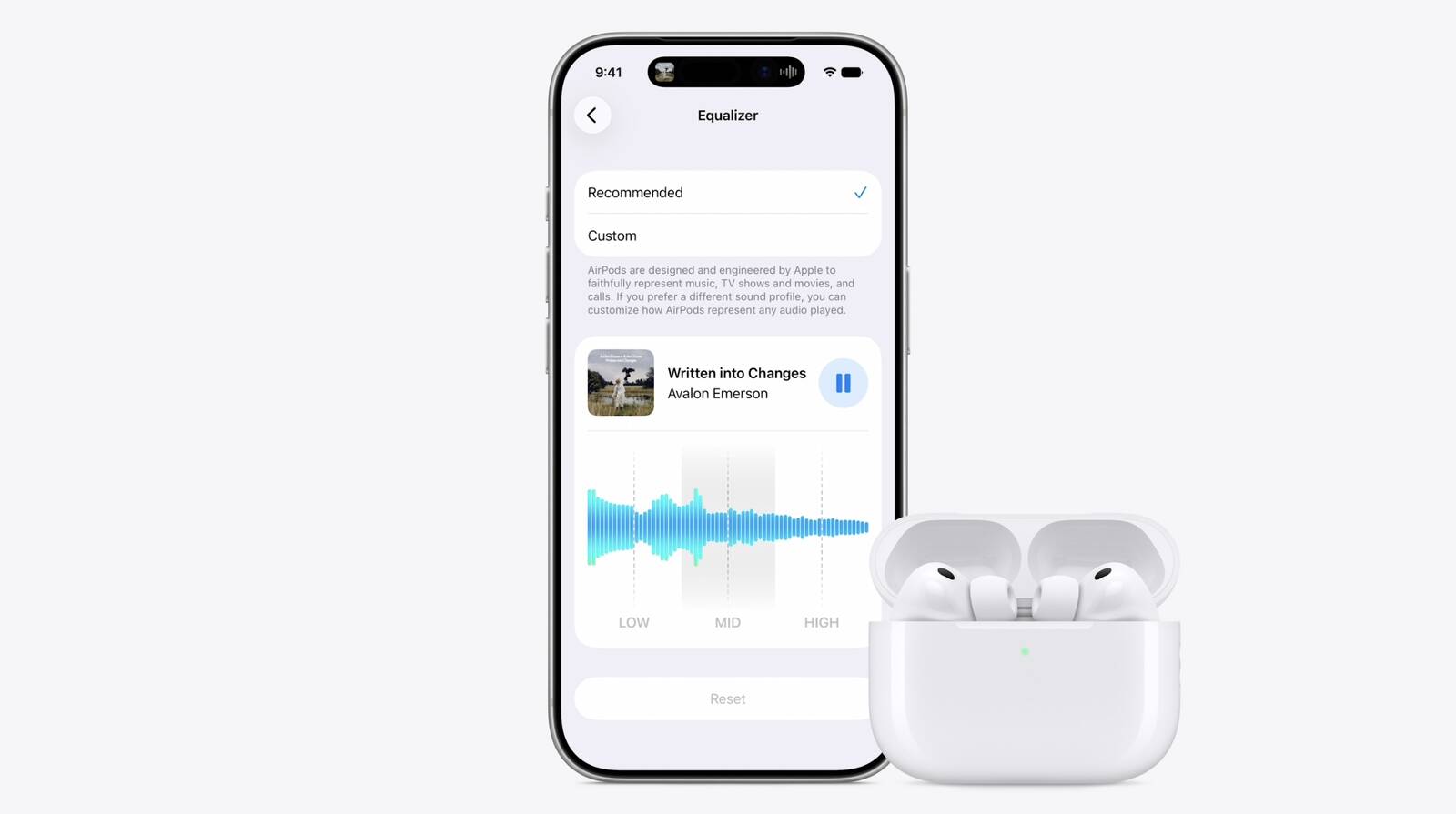 Sony, Bose, and Sennheiser owners have been able to adjust the audio frequency spectrum of their headphones for years, whereas AirPods owners have had to make do with Apple's default tuning. That's no longer the case in iOS 27, which adds a three-band equalizer to the AirPods settings screen. Sony, Bose, and Sennheiser owners have been able to adjust the audio frequency spectrum of their headphones for years, whereas AirPods owners have had to make do with Apple's default tuning. That's no longer the case in iOS 27, which adds a three-band equalizer to the AirPods settings screen.
|
|
All of the major AI providers want you to use, and ideally stay within, their super apps, and now Microsoft is looking to capture that attention, too.
During an earnings call this week, CEO Satya Nadella confirmed that the tech giant is building a Copilot ‘super app' that will be rolled out this quarter. The new platform will bring together various Copilot tools, including chat, Cowork, long-running Autopilot agents, and the always-on Microsoft Scout, powered by OpenClaw.
Microsoft said the super app will be wired into many of its other governance platforms, including Agent 365, IT Ops, SecOps, FinOps, and business processes. And, it said, CRM and ERP systems will "serve as skills and plug-ins that go into core work."
"You're able to take that enterprise-wide workflow and wire it into the super app," Nadella said, describing it as "the coming together of a new way to work."
With this move, Microsoft will compete with OpenAI's ChatGPT Work, Claude Cowork, and a growing number of others trying to capture as much of a user's workflow as possible. It could prove a strong contender, as everyday Copilot "usage intensity" is at the same level as that of Outlook or Teams, Nadella said, and paid seats now surpass 30 million.
Every model should be ‘swappable'
Even as it builds a super app to bridge workflows, Microsoft is acknowledging enterprise demand for model choice. Customers are making it clear that
|
|
A prominent Norwegian AI researcher on Tuesday posted details about an AI worm that is wreaking havoc in various Microsoft applications, including Word and Copilot.
The report from noted Norwegian AI researcher Håkon Måløy, now confirmed by Microsoft, said that an attacker can conceal instructions in a document that is later used as source material for Copilot-generated or Copilot-edited Word documents, for example, as input to a financial report. Those malicious instructions could potentially alter figures in the document being created. They then copy themselves into the new document, causing it to become a carrier of the attack when used in another Copilot-assisted workflow.
Måløy noted: "To my knowledge, this is among the first public demonstrations of document-borne AI-worm self-propagation through normal workflows in a mainstream commercial productivity suite."
Microsoft on Thursday emailed a statement to CSOonline discussing the report's revelations.
"We have addressed the findings reported by the researcher and thank them for working with us through coordinated vulnerability disclosure. To address this class of risk, we use a defense-in-depth strategy with safeguards that block malicious instructions at multiple points and help keep tasks aligned with users' re
|
|
 Softness in mobile gaming and Apple's changes to the App Store business model in some countries impacted the performance of the ?App Store?, Apple CFO Kevan Parekh said during today's earnings call. Softness in mobile gaming and Apple's changes to the App Store business model in some countries impacted the performance of the ?App Store?, Apple CFO Kevan Parekh said during today's earnings call.
|
|
 Apple didn't want to raise its prices but was forced to do so because of exponential increases in memory costs, Apple CEO Tim Cook said today during the company's Q3 2026 earnings call. Apple increased prices for Macs and iPads in June because memory prices have surged. Apple didn't want to raise its prices but was forced to do so because of exponential increases in memory costs, Apple CEO Tim Cook said today during the company's Q3 2026 earnings call. Apple increased prices for Macs and iPads in June because memory prices have surged.
|
|
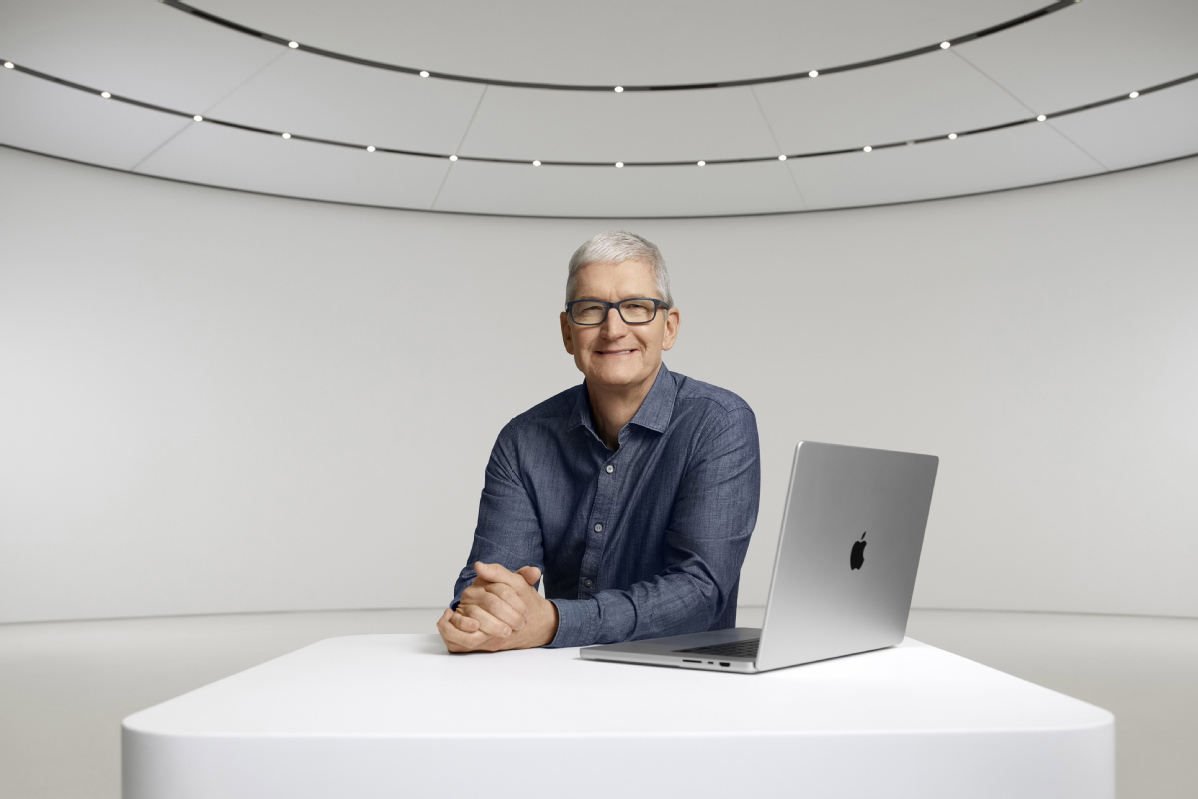 Apple CEO Tim Cook today confirmed that today's call was his last as CEO, with John Ternus set to become Apple's new CEO on September 1. Cook will transition to a new role as executive chairman when Ternus becomes CEO. Apple CEO Tim Cook today confirmed that today's call was his last as CEO, with John Ternus set to become Apple's new CEO on September 1. Cook will transition to a new role as executive chairman when Ternus becomes CEO.
|
|
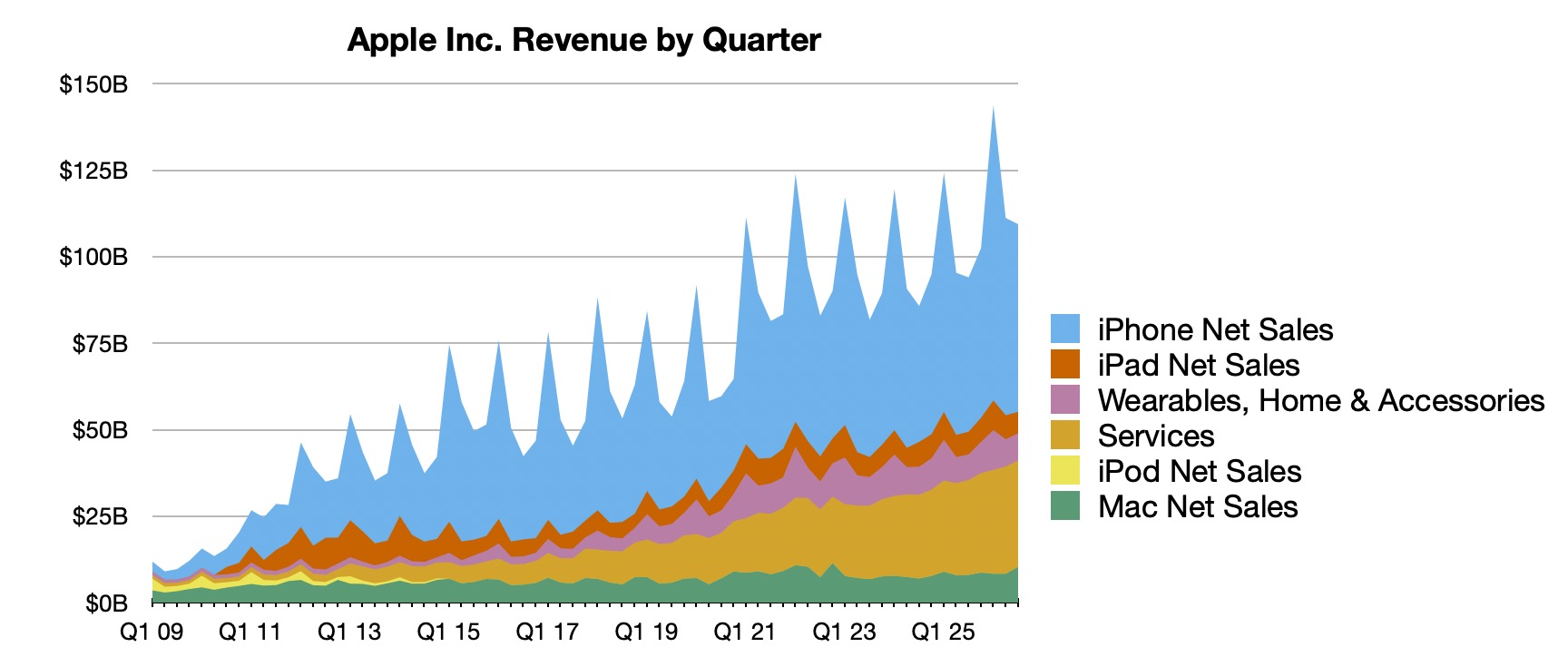 Apple today announced financial results for its third fiscal quarter of 2026, which corresponds to the second calendar quarter of the year. Apple today announced financial results for its third fiscal quarter of 2026, which corresponds to the second calendar quarter of the year.
|
|
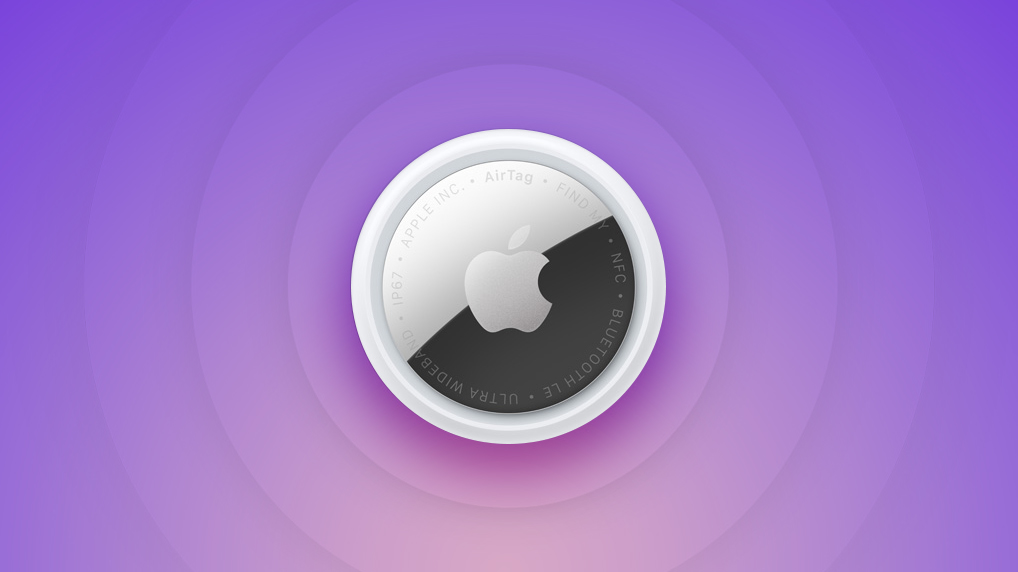 Apple's AirTag 2 is available for the all-time low price of $89.00 this week, down from $99.00. This sale is on the 4-Pack of the AirTag 2, and it's a match of the record low price first seen during Prime Day. Apple's AirTag 2 is available for the all-time low price of $89.00 this week, down from $99.00. This sale is on the 4-Pack of the AirTag 2, and it's a match of the record low price first seen during Prime Day.
|
|
 Tim Cook will participate in his final Apple earnings call as the company's CEO today. The call begins at 2 p.m. Pacific Time / 5 p.m. Eastern Time. Tim Cook will participate in his final Apple earnings call as the company's CEO today. The call begins at 2 p.m. Pacific Time / 5 p.m. Eastern Time.
|
|
The head of the US government's AI testing institute, Chris Fall, has resigned about three months after taking charge of the Center for AI Standards and Innovation (CAISI), the federal organization responsible for evaluating advanced artificial intelligence models for safety and security.
Current National Institute of Standards and Technology NIST Director Arvind Raman will serve as acting CAISI Director following Fall's departure while continuing to oversee the Commerce Department office responsible for the institute, the Daily Signal reported, citing two people familiar with the matter.
A Commerce Department spokesperson who spoke to the publication did not disclose a reason for the resignation.
Fall assumed leadership of CAISI in April after the Trump administration reorganized the former US AI Safety Institute under NIST. The institute develops methodologies for evaluating frontier AI models and works with AI developers on voluntary technical assessments covering areas such as cybersecurity, model misuse, reliability and other risks associated with increasingly capable AI systems.
The leadership change comes as governments and AI companies continue developing technical approaches for evaluating frontier AI models while enterprises expand deployments of generative AI and agentic AI across business operations.
In recent months, t
|
RELATED ARTICLES | | |
|