|
Stay tuned as we continue to show off all the new reveals and intriguing concepts. And today, CNET's Best of CES 2026 award winners will be chosen.
|
RELATED ARTICLES | | |
|
A startup called ReviMo has developed a robotic system that provides a way for people with limited mobility to lift and transfer themselves — like from a bed to a wheelchair, or to the toilet — without the assistance of a caregiver. ReviMo's Niko has two sets of arms: one that forms a "scooping seat" that slides underneath the person to lift them up, and the other encircling their torso and providing a backrest. It can be operated both by remote and using the controls on its dashboard. Niko in its current iteration can carry up to 250 pounds, but the team says it's working on a version that can support up to 400 pounds.
In addition to aiding in transfers, Niko can lift the rider to a standing level and offers retractable handlebars for support. It also has the potential to be a big help to caregivers, who in many cases assist with multiple transfers every day. Even in a situation where a person isn't able to operate it by themselves, Niko facilitates a transfer that requires much less physical exertion than today's common methods, like sling-based mechanical lift systems. At CES, founder Aleksandr Malaschenko gave a demonstration of its lifting capabilities, using it to scoop him up from a chair and bring him out into the aisle.
Niko is designed to work with most wheelchairs and be compact enough to navigate small bathrooms. It can position a person right above a toilet, and there are disposable seat covers. The goal is to help people with limited ability achieve more independence.
It is the kind of device that, if it delivers on its promises, could be a game-changer for people with limited mobility and paralysis, and their loved ones. My dad was diagnosed with ALS when I was a kid, and I learned how to operate a Hoyer lift by the time I was in middle school. This strikes me as something we would have really appreciated having aroun
|
|
Lego bricks come in a bunch of shapes and sizes, but they're getting a big technical upgrade in 2026 thanks to news announced at CES this year. Meet the Lego Smart Brick, a standard-sized 2 x 4 brick that's packed with modern technology to enable sets that can respond to how they're played with or the sets you build. The company's new initiative, Smart Play, encompasses the Smart Brick as well as Smart Minifigures and Smart Tags. It's remains to be seen how diehard Lego fans will take to this new system, but it's fair to say this is the biggest move Lego has ever made to infuse its products with connected technology.
The Smart Brick has a 4.1mm ASIC chip inside of it that Lego says is smaller than a standard Lego stud. It runs something called the Play Engine that can sense things like motion, orientation and magnetic fields. Thanks to this and some integrated copper coils, the Smart Brick can sense distance, direction and orientation of other Smart Bricks near it when you're b
|
|
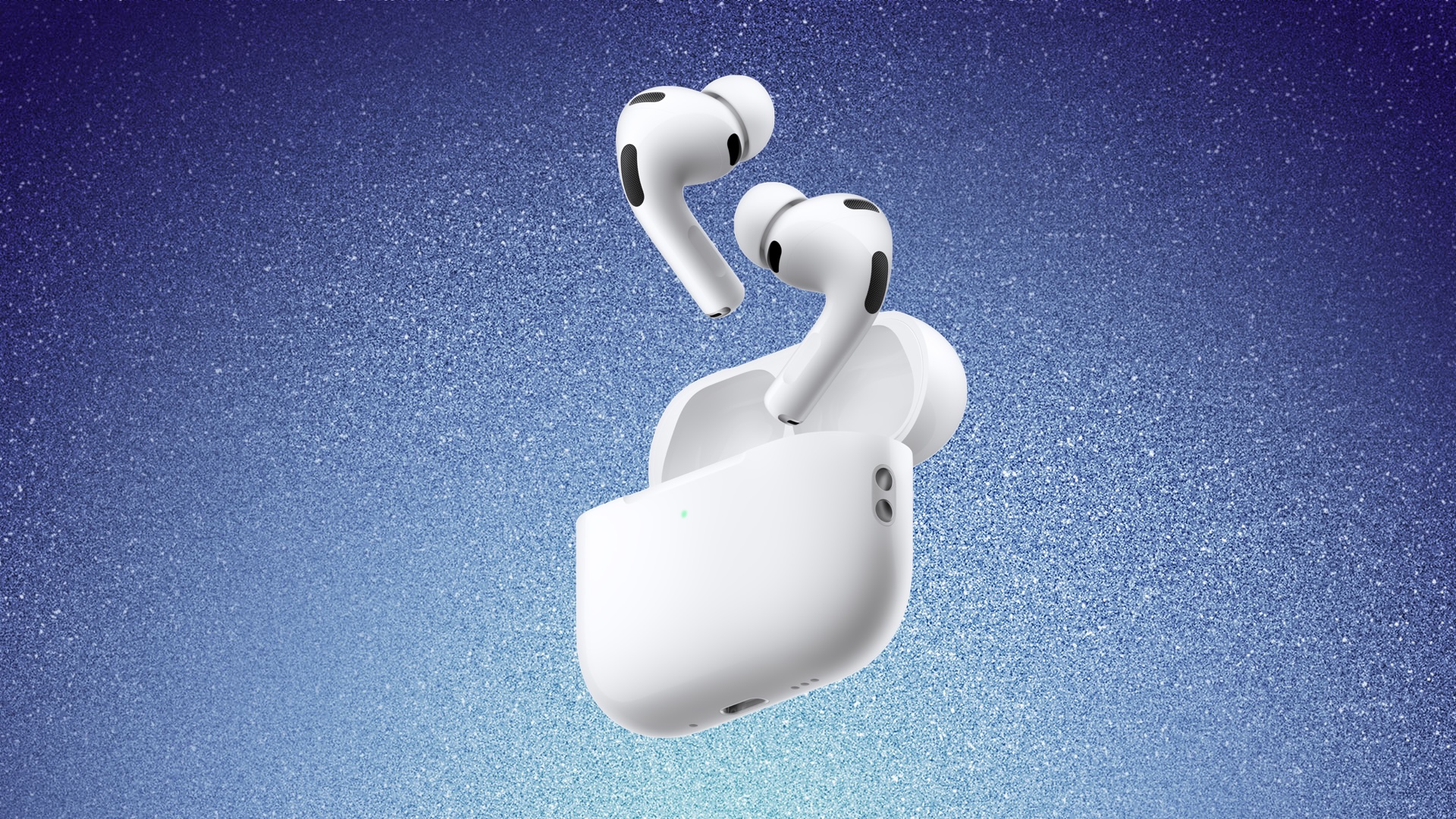 Best Buy today has a match of the record low price on the AirPods Pro 3, available for $199.99, down from $249.00. This is the first time in 2026 that we've tracked the AirPods Pro 3 at this low price, which matches the best deal we saw over the holiday season. Right now, only Best Buy has this best-ever price on the AirPods Pro 3. Best Buy today has a match of the record low price on the AirPods Pro 3, available for $199.99, down from $249.00. This is the first time in 2026 that we've tracked the AirPods Pro 3 at this low price, which matches the best deal we saw over the holiday season. Right now, only Best Buy has this best-ever price on the AirPods Pro 3.
|
|
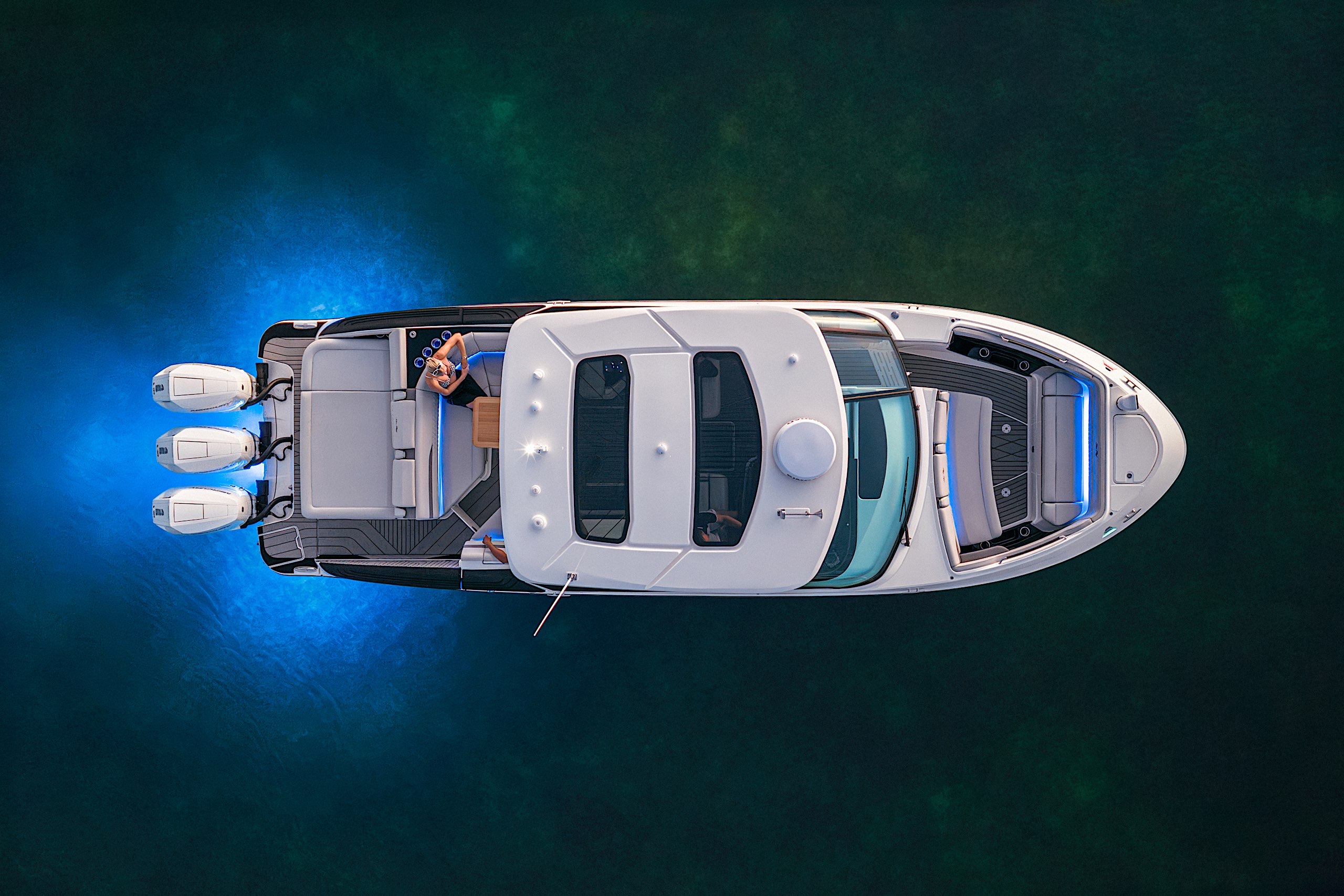 If you've never docked a boat before, consider yourself lucky. There are plenty of popular TikTok channels devoted to shaming those who bring their craft back home clumsily or berth them with something less than finesse. Tricky crosswinds, unpredictable surf and even the jeers of passersby can make it a stressful experience at the best of times. If you've never docked a boat before, consider yourself lucky. There are plenty of popular TikTok channels devoted to shaming those who bring their craft back home clumsily or berth them with something less than finesse. Tricky crosswinds, unpredictable surf and even the jeers of passersby can make it a stressful experience at the best of times.
Brunswick, which owns more than 50 water-borne brands like Sea Ray, Bayliner and Mercury Marine, has a solution. It's demonstrating some self-docking tech called AutoCaptain at CES 2026 that makes this process a cinch, plus a fleet of other innovations that, in some cases, leave some of the smart cars on the show floor looking a bit remedial.
One of those technologies is edge AI. While in-car AI is an increasingly common feature, those agents are exclusively running remotely, relying on cellular connections to offload all the processing power required to drive a large language model.
Sadly, that won't always work on a boat.
One of Brunswick's tech-equipped boatsBrunswick"One of the things about AI for boats
|
|
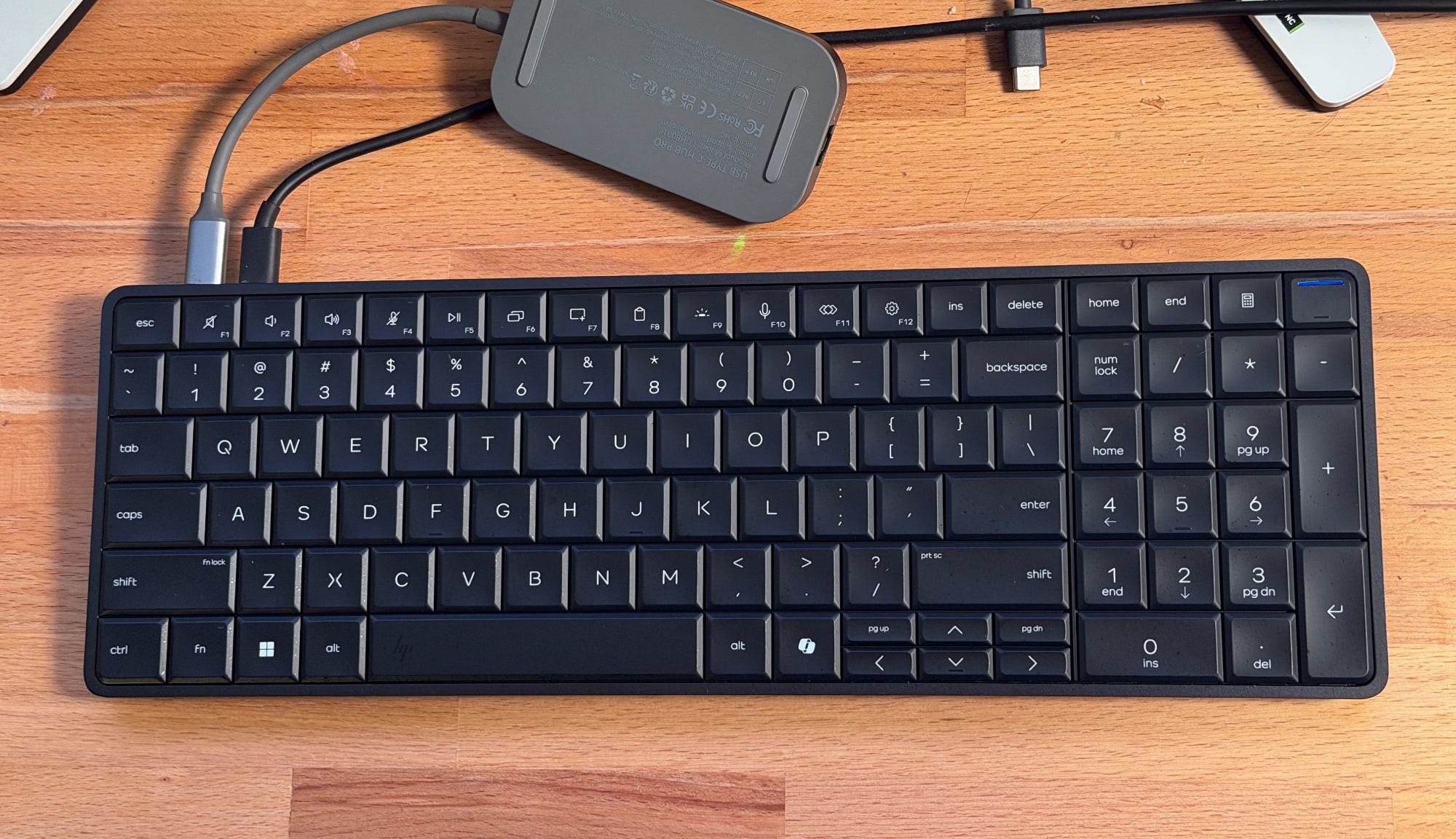 A keyboard computer has always been on my wishlist — that is, a computer where the entire machine was stuffed into a keyboard. Perhaps I caught a glimpse of the Commodore 64 at an impressionable age, but regardless, the idea has always been intriguing to me. At CES 2026, HP is bringing that concept back with the new EliteBoard G1a, which is dubbed a "Next Gen AI PC." A keyboard computer has always been on my wishlist — that is, a computer where the entire machine was stuffed into a keyboard. Perhaps I caught a glimpse of the Commodore 64 at an impressionable age, but regardless, the idea has always been intriguing to me. At CES 2026, HP is bringing that concept back with the new EliteBoard G1a, which is dubbed a "Next Gen AI PC."
It's an IT administrator's dream: It looks a typical desktop keyboard, but it has the full power of a Copilot AI PC inside. You can equip it with Ryzen 5 or 7 CPUs and their embedded Radeon 800 GPUs, up to 64GB of RAM and as much as 2TB of NVMe SSD storage. All you need to do is add a monitor and a mouse, and you've got a full-fledged desktop setup.
HP EliteBoard keyboard PC.Devindra Hardawar for EngadgetThe more I think about it, the more sad I am that the arc of the computing industry trended towards standardized desktops and laptops. There was a brief spark of interest with the UMPC (ultra mobile PC) trend in the 2000's, which Engadget covered extensively as a young blog, as well as ASUS's Eee keyboard. But they couldn't s
|
|
Anker, one of the leaders in third-party chargers, has unveiled a new portfolio of "smart" chargers and docks at CES 2026. The company says the lineup adds improved visual interfaces, faster Qi2 wireless charging and "upgraded ecosystems" for the latest line of iPhone models.
First up is the Anker Nano Charger with smart display, which features a tiny screen, 180-degree foldable prongs and provides up to 45W of power. The plug can identify the exact iPhone model connected and then deliver the right amount of power for your phone. Anker says the Nano uses three-stage power delivery and a "Care Mode" that the company claims keeps batteries cooler than some competing 45W chargers. It arrives in late January 2026 and will retail for $40.
For fans of wireless charging stations, the Anker Prime Wireless Charging Station offers a 3-in-1 solution for iPhone, Apple Watch and AirPods. It uses a "AirCool" system for "faster, safer performance" and offers up to 25W of Qi2 wireless power. The design is also foldable for compact travel. It's set for release in Q1 2026 and will retail for $150.
The company debuted a clamp-on 10-in-1 Nano Power Strip with 70W of output and built-in surge protection. It sports two USB-C ports, two USB-A ports and six AC outlets. The Nano Power Strip is getting a late January release, and it will sell for $70.
Anker also unveiled a 13-in-1 Nano Docking Station. This serves as an all-in-one hub with support for up to three displays (with 4K resolution supported on a single display), up to 100W of upstream charging and 10 Gbps of data transfer between connected devices. It also features a
|
RELATED ARTICLES | | |
|